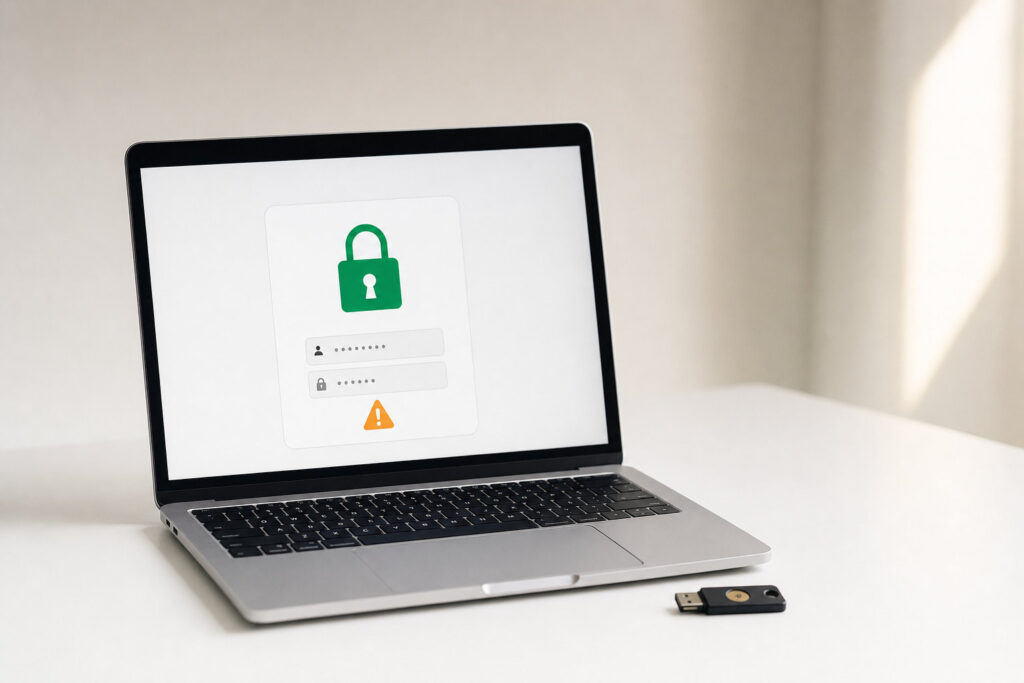
Cybersecurity challenges in protecting personal data online
Staying in control of your personal data has become essential as daily activities increasingly move online. Cyber threats targeting identity and payment details are evolving, making privacy protection more complex for everyone. This article explains where risks arise and offers practical steps for stronger digital security.
Personal data protection is crucial because nearly every online service now requires you to log in or store details such as your name, contact information, and payment methods. Whether you are registering for entertainment, social interactions, or financial transactions on platforms such as tuhti casino, the amount of information you reveal can quickly multiply across various platforms. In practice, “personal data” includes everything from your home address and email to device identifiers, geolocation, and behavioural patterns collected by apps and websites. Understanding what information is out there and how it is used provides the foundation for managing your digital footprint and staying alert to potential threats.
How everyday information becomes vulnerable online
Common online services ask for more than just a username and password. Personal data now often extends to contact lists, device specifications, IP addresses, and even habits such as what time you log in or interact with websites. As different services keep accumulating this data, the amount of information in circulation grows, creating broader targets for cybercriminals.
When you register accounts or link profiles to apps, you may unknowingly give consent to store sensitive details. Many platforms retain payment methods or request access to photos, calendars, and social connections. Without careful management, these permissions can expose you to risks if service providers experience a data breach or if someone gains unauthorised access to your account.
Tactics used by cybercriminals and common attack methods
One of the most persistent dangers comes from phishing attacks and social engineering, where attackers impersonate trusted contacts or brands to trick you into giving up login credentials. These messages often look deceptively legitimate, urging urgent action such as account verification or password resets.
Another widespread method is credential stuffing, in which stolen usernames and passwords are tested on multiple sites, exploiting the common habit of password reuse. Malware, including info-stealers and keyloggers, can silently harvest saved passwords, autofill data, or browser-stored credit cards from compromised devices. When databases are breached and personal details leak, the same data can be used in further attacks, increasing the persistence of the threat.
Everyday habits and their impact on digital safety
Many risks are amplified when you use public Wi-Fi or unsecured networks, where intercepted communications can reveal sensitive information. Third-party apps and browser extensions, even those that appear harmless, may collect more data than necessary through excessive permissions. Over time, this “permission creep” accumulates, enlarging your exposure without your awareness.
Account recovery processes are another frequent weak point. For example, attackers may try SIM swap scams to hijack phone numbers and bypass verification screens. Many people use shared devices or create family accounts, inadvertently sharing their session or stored data with others. In these everyday scenarios, simple missteps can make personal data far more susceptible to misuse. Regular privacy checks and maintaining control over your login credentials help reduce these vulnerabilities.
Simple strategies for effective data protection
Protecting your personal data does not have to be technical or overwhelming. Password managers help create and remember unique, complex passwords for each service, significantly reducing the danger if one set of credentials leaks. Enabling multi-factor authentication, particularly using app-based or hardware keys instead of SMS, adds an extra layer of defence against unauthorised access.
Keeping your operating system and browsers up to date ensures you benefit from the latest security patches, addressing vulnerabilities before they can be exploited by malware. Learn to identify suspicious messages by checking sender addresses carefully, looking for poor grammar or unexpected requests, and never clicking on links unless the source is verified. Minimising what information you share and regularly reviewing privacy settings further reduces the chances of data exposure across platforms.
Maintaining secure transactions and managing breaches
Secure online payments require attention to authentication and checkout protocols. Look for websites using encrypted payment processes and reliable gateways, and prefer services that require strong verification before storing payment details. Avoid saving cards in multiple places and opt for single-use payment methods if possible, as this limits the lasting impact should a breach occur.
If you suspect your account may have been compromised, act quickly by freezing access, updating all login credentials, and logging out of all active sessions. Check your other accounts for unexpected activity and set up monitoring tools for early warnings of identity misuse. These steps limit the damage and help you regain control efficiently.
Developing digital security habits is an important defence against evolving threats. The challenge is to balance convenience with conscious privacy controls, ensuring that you remain in charge of your information while making the most of today’s online services.
Lisaa liittyvia artikkeleita
 Osta sänky harkiten: koko, sänkytyyppi, patja ja toimitus ennen tilausta
 The Block kausi 20: Draama, tulokset ja skandaalit
 Tyttöystävän päivä 2025 – Milloin ja miksi sitä vietetään
 Glorious Model O -arvostelu: Kevyt pelihiiri vertailussa (2026)
 Kuntavaalit 2025 tulokset: äänestysprosentti ja puoluekannatus
 Pohjoismaiset pelimarkkinat yhtenäistyvät: Suomi seuraa Ruotsin ja Tanskan jalanjäljissä
 Mario Kart 8 Deluxe – kysytyimmät kysymykset
 Taitettava kuntopyörä pieneen kotiin: mitat, vauhtipyörä ja painoraja vertailussa
